Dental Implants in Arlington, VA
A missing tooth changes more than your smile. It changes what you eat, how you laugh, and how much mental energy you spend managing a gap or a denture that doesn't quite behave. Dental implants replace the whole tooth, root and all, with a titanium post set into the jawbone and a custom crown on top. Unlike a bridge, an implant stands on its own. Unlike a removable denture, it stays put.
At Mayer Smile Be Bright, Dr. Mayer places implants as part of a full range of care, from a single missing tooth to a full arch. Every plan starts with a real look at your bone, your gums, and your goals, because no two mouths are the same and no two treatment plans should be either.
Ready to find out where you stand? Call (571) 366-3992 or get in touch.
What Patients Wish They'd Known Sooner
- Bring your questions and your history. Past extractions, gum treatment, medications, and grinding habits all shape the plan, so mention them at your first visit.
- Ask what your specific site needs. Some people are ready to place right away; others need grafting or gum treatment first, and knowing which you are changes the timeline.
- Plan for months, not weeks. The bone needs time to grow around the post, and that healing stretch is the longest part of treatment.
- Ask about sedation if the idea makes you tense. Anxiety is not a reason to go without a tooth, and options are available to make the experience comfortable.
- Ask how your insurance applies. Coverage for implants varies widely, and understanding your benefits early can help you plan the timing and sequencing of treatment.
What Happens at Each Stage of Your Implant Treatment
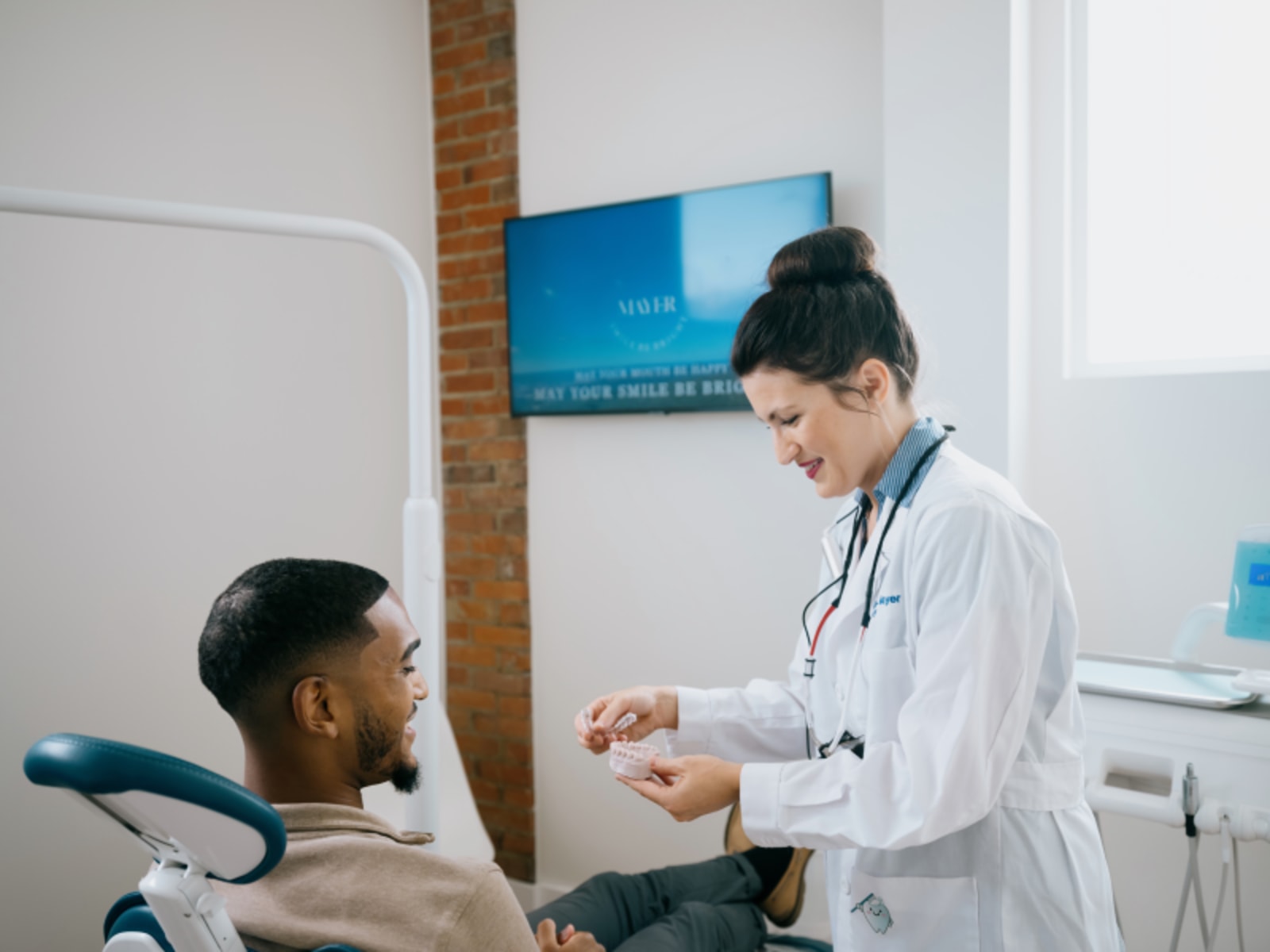
Implant treatment isn't one appointment. It's a sequence, paced to how your body heals. Here's what each stage involves.
1. Consultation and Imaging
Dr. Mayer examines your bite, gum tissue, and bone, then reviews imaging to see how much bone is available and where nerves and sinuses sit. You'll hear what she's seeing and why, in plain language, before anything is scheduled.
2. Any Groundwork First
If a failing tooth needs to come out, we often do socket preservation at the same time so the site holds its shape. If bone is thin, a bone graft or sinus graft provides a scaffold while your own bone cells grow in. Active gum disease gets treated first, because healthy tissue is what keeps an implant healthy long term.
3. Placing the Implant Post
The post goes into the jawbone during a surgical appointment, with local anesthetic and sedation if you'd like it. Most people tell us the day was less eventful than they'd braced for. In some cases the implant can be placed the same day the tooth comes out. Dr. Mayer will tell you whether your case allows that.
4. Healing and Osseointegration
This is the quiet stretch. Over several months, bone grows around and locks onto the titanium post. That fusion is what makes an implant feel like a tooth instead of an appliance. We check in along the way so you always know where you are.
5. Abutment and Final Crown
Once the post is solid, a small connector called an abutment is attached, and your custom crown is fitted on top. Shade, shape, and contour are matched to the teeth around it.
Back to Eating, Smiling, and Not Thinking About It
- You chew normally again. Implants transmit bite force through the jaw the way a natural root does, so steak, apples, and crusty bread stop being a calculation. Unlike a bridge, an implant stands on its own and your neighboring teeth stay untouched.
- The bone keeps its job. Jawbone shrinks where there's no root stimulating it. An implant gives that area something to work against, which helps preserve your facial shape over time.
- The finished tooth looks like yours. Dr. Mayer's studio art background shows up in how a crown's shade and shape are matched, so it disappears into your smile.
- Nothing comes out at night. No adhesive, no soaking cup, no shifting mid-conversation. With good hygiene and regular visits, implant posts routinely last decades, though the crown on top may eventually need replacing.
Could Implants Work for You?
Most healthy adults who are missing one tooth, several teeth, or a full arch are candidates. Here's what we look at:
- Enough jawbone at the site, or a workable plan to build it up
- Gum tissue that's healthy and free of active infection
- Good general health and a normal ability to heal
- A willingness to keep up daily hygiene and regular checkups
Some situations call for a delay, not a permanent no. Heavy smoking slows healing and raises the risk of implant failure. Uncontrolled diabetes, untreated gum disease, or heavy unmanaged grinding all need addressing first. Growing teenagers usually wait until jaw growth finishes.
What the Next Few Months Actually Look Like
Most single-tooth implant cases run three to six months from placement to final crown. Grafting or full-arch cases run longer. Here's how it typically unfolds:
- Weeks 0 to 2 after an extraction or graft: your gum tissue starts healing, you eat soft foods, and we check in to make sure everything looks good.
- Months 3 to 6 after grafting, if needed: the site matures before the implant goes in.
- Placement day: one appointment, usually an hour or two depending on how many implants.
- Months 3 to 6 after placement: your bone gradually fuses to the post, with periodic checks. Many patients wear a temporary tooth during this stretch.
- Final two visits: a connector piece and a mold, then delivery of your finished crown.
Your body sets the pace, not the calendar. We'd rather wait an extra few weeks for solid healing than rush a crown onto a post that isn't ready.
From Surgery Day to Long-Term Care
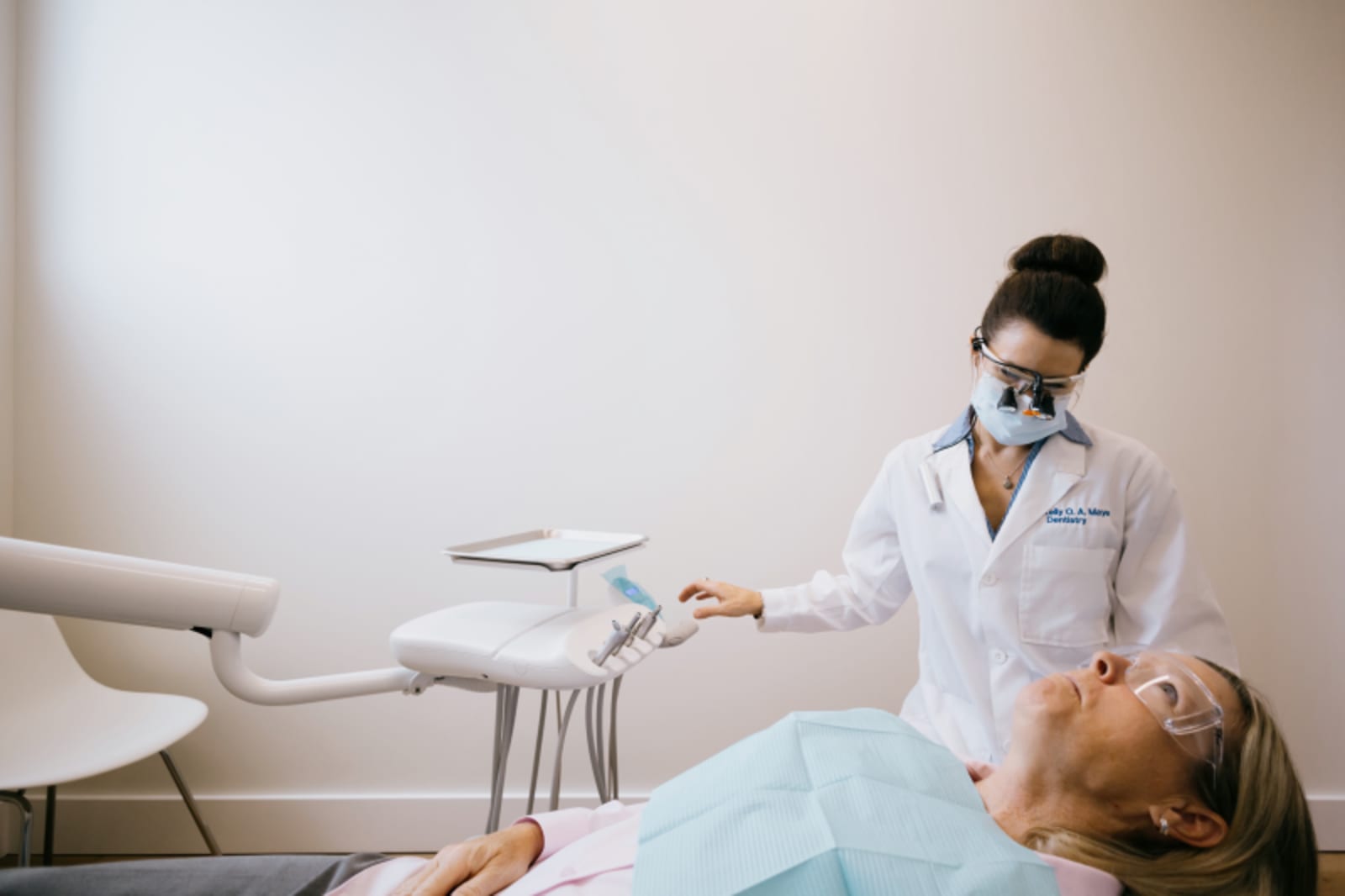
Before surgery, we'll review your medications and health history and confirm your sedation plan. If you take a blood thinner or bisphosphonate bone medication, let us know early so we can plan around it. Have soft foods and ice packs ready at home.
The first two days are the peak of soreness and swelling. Ice on and off, eat soft foods, skip straws and vigorous rinsing, and over-the-counter pain relief handles it for most people. Follow the rinse instructions we send home with you.
Once healed, an implant is low-maintenance. Brush twice a day, floss around it, and keep up with regular cleanings. Implants can't get cavities, but plaque buildup can irritate the surrounding gum and bone, and that's what affects how long an implant lasts. If you grind your teeth, a night guard is worth it.
What Goes Into the Price of an Implant
Implant pricing varies for reasons you can point to. Four things move the number:
- How many implants are being placed
- Whether extraction, socket preservation, bone grafting, or sinus grafting is needed first
- The restoration on top, whether that is a single crown, a bridge, or a full-arch solution
- Whether you choose sedation
Dental insurance coverage for implants is inconsistent. Some plans contribute toward parts of the treatment, some exclude implants entirely, and many have annual maximums that affect how the plan is sequenced. We'll review your benefits and payment options with you before anything is scheduled.
What Dr. Mayer Brings to Your Implant Care
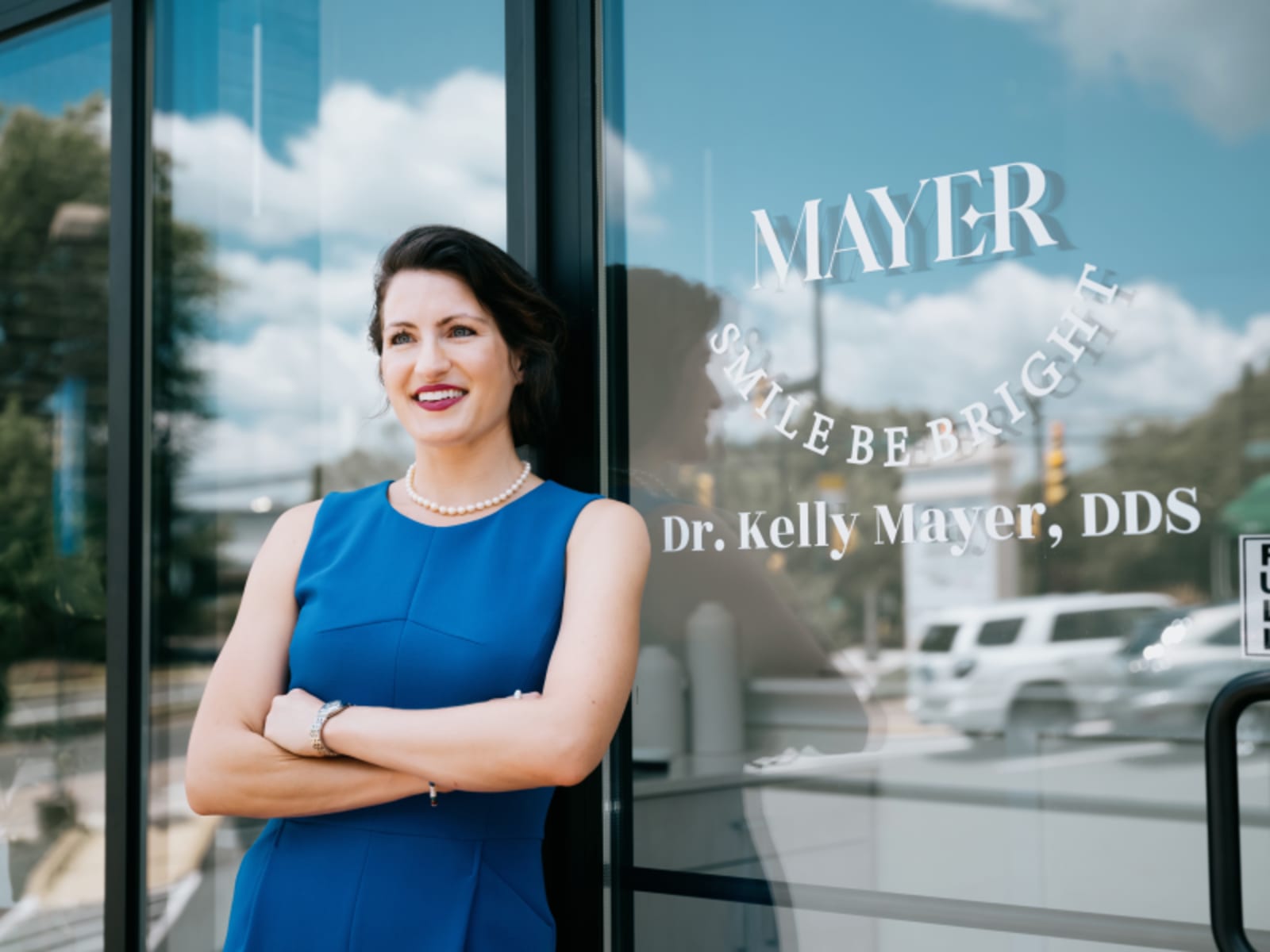
Dr. Mayer brings a rare mix to implant work. She holds a biochemistry degree with high honors from the University of Virginia, completed dental school at MCV/VCU, finished a general practice residency at UNC, and has a studio art minor alongside more than thirteen years of clinical experience. The science shapes her diagnostics and surgical planning. The art shows up in how the finished tooth looks when you smile.
A few things that make implant care here different:
- Your body helps with healing. We use PRP/PRF biomaterials, proteins drawn from your own blood, to support recovery, and a Biolase soft tissue laser for precise, comfortable gum work.
- Grafting is done in-house. Bone and sinus grafting, socket preservation, gum grafting, and crown lengthening all happen under one roof. See the full range on our services page.
- Sedation is genuinely available. Anxiety is not a reason to go without a tooth. Nitrous oxide, oral conscious sedation, and IV sedation are all options here.
- You will understand your own plan. Dr. Mayer explains what she sees and why she recommends it, and is happy to answer the same question twice. Learn what to expect at your first visit.
- That conversation can happen in French. Dr. Mayer is fluent, and Francophones and Francophiles are welcome here.
- Community roots. Dr. Mayer lives in Falls Church, grew up in Lynchburg, and has volunteered more than $50,000 in free dental care to patients of the Northern Virginia Free Dental Clinic.
FAQs About Dental Implants
Do Dental Implants Hurt?
You're numb for the placement itself. The part people ask about is the few days after, and that's usually soreness and swelling an over-the-counter pain reliever handles. If the thought of the procedure worries you, sedation is available.
How Long Do Dental Implants Last?
The titanium post is designed to last decades with good hygiene and regular checkups. The crown on top may need replacing at some point due to normal wear.
Can I Get an Implant if I've Lost Bone in That Area?
Often, yes. Bone grafting can rebuild the site and make an implant possible where it wasn't before. How much is needed depends on what your imaging shows.
Will the Implant Look Like a Real Tooth?
That's the standard we work to. The crown is made to match the shade, shape, translucency, and contour of the teeth around it, and how it emerges from the gumline matters as much as the tooth itself. That's the part Dr. Mayer's artistic training is spent on.
What Happens if I Just Leave the Gap?
Teeth shift, bone shrinks, and your bite changes. The longer you wait, the more complex the eventual treatment tends to be.
Can Implants Replace an Entire Arch of Teeth?
Yes. Implant-supported dentures and All-on-Four designs anchor a full set of teeth to a handful of strategically placed implants, which is far more stable than a denture resting on the gums.
Come In, Ask Questions, Leave With a Plan
A consultation is a conversation. You'll get a clear read on your bone and gums, an explanation of your options in language that makes sense, and a written plan with real numbers. Then you decide at whatever pace suits you.
We're at 6500 Williamsburg Blvd in Arlington, open Monday through Friday, 8:30 to 5. Call (571) 366-3992 when you're ready. Be heard, smile bright, dentistry done right.