Full Mouth Dental Restoration in Arlington, VA
If chewing is uncomfortable, your smile feels like something to hide, or years of dental problems have stacked up, full mouth restoration is worth understanding. It is a coordinated plan to rebuild most or all of your teeth, addressing everything from missing roots to worn enamel, so the result holds together and actually lasts.
Dr. Mayer examines the whole mouth as one connected system, maps out a sequence where each step supports the next, and walks you through every decision in plain language. No judgment about how things got here.
See what to expect on your first visit, or call (571) 366-3992.
A Few Things Worth Knowing First
- The Whole Picture Comes First. A real treatment quote only makes sense after a comprehensive exam.
- Treatment Comes in Phases. Temporary restorations keep you covered between each one, so there is no single marathon appointment.
- Sedation Comes in Three Levels. We'll choose one together based on your comfort history and how long the visit will be.
- You'll See the Numbers Before You Commit. Cost, insurance benefits, and payment options are all covered below.
From First Look to Final Smile
1. Full Records and a Real Diagnosis
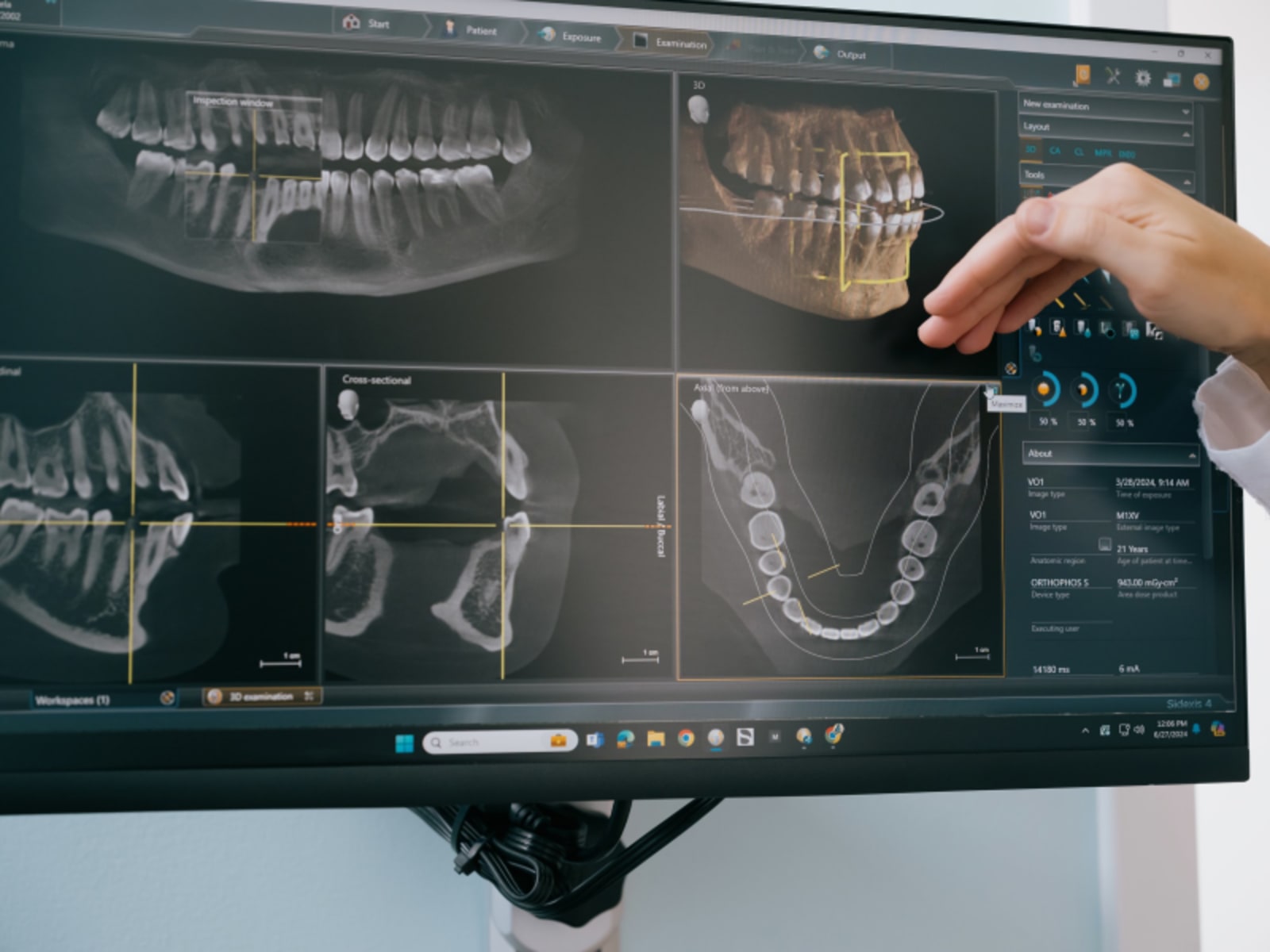
Your first visit is about gathering information. We take X-rays and photographs, chart every tooth, measure gum and bone health, and study how your teeth come together when you bite. Dr. Mayer looks at your mouth as one connected system, because a cracked molar on the left is often related to a missing tooth on the right. You'll see everything on screen, with findings explained as we go.
2. A Conversation About What You Actually Want
Some people want to stop being in pain. Some want to eat a steak again. Some want to look at a photograph without wincing. We ask what bothers you most, because those answers shape the plan. Dr. Mayer's studio art background means the shape, color, and proportion of your final smile is a design decision, not an afterthought.
3. Foundation Work
Before anything permanent goes in, the base has to be healthy. That can mean a deep cleaning below the gumline, gum grafting, or removing teeth that can't be saved. Where bone is thin, bone grafting and socket preservation hold space for an implant later. We often use PRP/PRF biomaterials, drawn from a small sample of your own blood, to support soft tissue healing, and a Biolase soft tissue laser for gentler gum work.
4. Rebuilding the Teeth
This is the part you picture. Dental implants replace missing roots, crowns and bridges restore broken or worn teeth, and implant-supported dentures or All-On-Four address broader tooth loss. Porcelain veneers and gum contouring refine appearance where it matters most.
5. Refining the Bite and Protecting the Result
Once everything is in place, we fine-tune how your teeth meet, check comfort at the jaw joints, and fit a night guard if grinding contributed to the wear. Skipping this step is how good dental work breaks down early.
What You Stop Putting Up With
- Chewing You Don't Have to Think About. Stable back teeth mean the whole menu is open again.
- Relief from Daily Discomfort. Correcting broken teeth, infection, and an uneven bite together often eases headaches and jaw soreness.
- A Smile That Looks Like Yours. Shade, tooth length, and gum line are planned so the result looks natural, not like a dental makeover, and a well-supported bite helps you speak more clearly too.
- Results That Protect and Last. Replacing missing teeth keeps neighboring teeth from shifting, and well-planned implants and crowns hold up for years with regular hygiene visits.
Does This Sound Like Your Situation?
You may be a good candidate if you're dealing with:
- Several missing teeth that change how you chew, speak, or feel about your smile
- Teeth severely worn, cracked, or shortened by grinding or years of use
- Long-standing decay or infection across multiple teeth
- Old crowns, bridges, or restorations that have failed or no longer fit
- A bite that causes jaw discomfort, headaches, or uneven wear
You don't need to check every box. Two or three of these are enough to warrant a full evaluation, and sometimes a smaller plan is the right call. If your concerns are limited to a few front teeth and the rest of your mouth is healthy, veneers or a couple of crowns may get you where you want to go.
Gum disease changes the sequence of treatment, not whether you can be treated. If you smoke heavily or have health conditions that affect healing, we'll talk through how that changes implant planning and whether a removable option may serve you better.
From First Visit to Final Smile

How long treatment takes depends on what your mouth needs. A plan built mostly around crowns can wrap up in a matter of months. A plan involving extractions, bone grafting, and implants takes longer, because healing cannot be rushed.
- Consultation and Records: one visit, plus a follow-up to walk through your plan before anything is scheduled.
- Foundation Phase: gum treatment, extractions, and grafting over several weeks, with temporary teeth in place while things heal.
- Implant Integration: once implants are placed, the bone needs a few months to grow around them before your final teeth go on.
- Final Restorations: scans, a try-in to fine-tune the look, then delivery of your crowns, bridges, or implant-supported teeth.
- Bite Check and Maintenance: a short adjustment visit, then back to your regular hygiene schedule.
How to Get Ready and Keep Your Results Healthy
Before you begin, share a current list of medications and any medical conditions, and mention past appointments that felt stressful. That history helps us choose the right sedation option and plan accordingly. If you're using oral conscious or IV sedation, you'll need a ride home and specific eating instructions, which we'll provide ahead of time.
Afterward, keeping your results healthy comes down to a few habits. Brush twice a day, clean between your teeth daily using whatever tool we recommend for your restorations, and wear your night guard if we made one. Keep up with hygiene visits, since implants and crowns need a professional clean around the gum line to hold up long term.
A Dentist Who Brings More to the Table

Dr. Mayer brings a biochemistry degree, dental school training at the Medical College of Virginia, a general practice residency at UNC, a studio art minor, and thirteen-plus years of clinical experience to every treatment plan. That combination means your results are built to last and designed to look natural.
- Soft Tissue Expertise. Gum grafting, crown lengthening, contouring, PRP/PRF biomaterials, and a Biolase soft tissue laser mean the gum framing around your new teeth gets as much care as the teeth themselves.
- Real Sedation Choices. Nitrous oxide, oral conscious sedation, and IV sedation make longer appointments genuinely manageable, even if dental visits have felt stressful in the past.
- Bilingual Care. Dr. Mayer is fluent in French and welcomes Francophones and Francophiles. She has also donated more than $50,000 in free care through the Northern Virginia Free Dental Clinic.
Every part of your treatment, from the health of your gums to your comfort in the chair, is handled with the same level of care. That is the Mayer Smile Be Bright difference.
FAQs About Full Mouth Dental Restoration
How Do I Know If I Need Full Mouth Restoration Instead of a Few Separate Procedures?
A thorough exam will answer that. If the issues are isolated, we'll treat them individually and tell you so. When multiple teeth, the gums, and the bite are all involved, planning them together usually costs less over time than fixing things twice.
Will It Hurt?
Every procedure is fully numbed, and we talk through your comfort options before we start. Some soreness afterward is normal and manageable, and you'll get clear instructions for each phase.
Can I Have Full Mouth Restoration If I Have Gum Disease?
Yes, but gum disease is treated first. Placing crowns or implants over infected gum tissue means the new work won't hold. Deep cleaning, laser therapy, or surgical gum treatment comes at the front of the plan for a reason.
Do I Have to Do Everything at Once?
No. We'll help you prioritize what's urgent and pace the rest, so treatment fits your life and your budget.
How Long Will the Results Last?
That depends on the materials used, your bite, and your home care. Implants and quality crowns routinely last many years when gums stay healthy and grinding is managed with a night guard.
What If I Only Care About the Teeth That Show?
We'll listen. Sometimes front teeth wear down because back teeth are missing or the bite is off. We'll show you whether treating only the front will hold up, or whether it's likely to need redoing in a couple of years.
Come In, Get Answers, Then Decide
Coming in for a consultation is a conversation, not a commitment. You'll get a real diagnosis, a clear explanation of what's going on in your mouth, and a written plan you can take home and think over.
Mayer Smile Be Bright is on Williamsburg Boulevard in Arlington, VA, Monday through Friday. To schedule with Dr. Mayer, call (571) 366-3992. Be heard, smile bright, dentistry done right.